
Sound-absorbing panels for interiors: where and how to position them for maximum effect
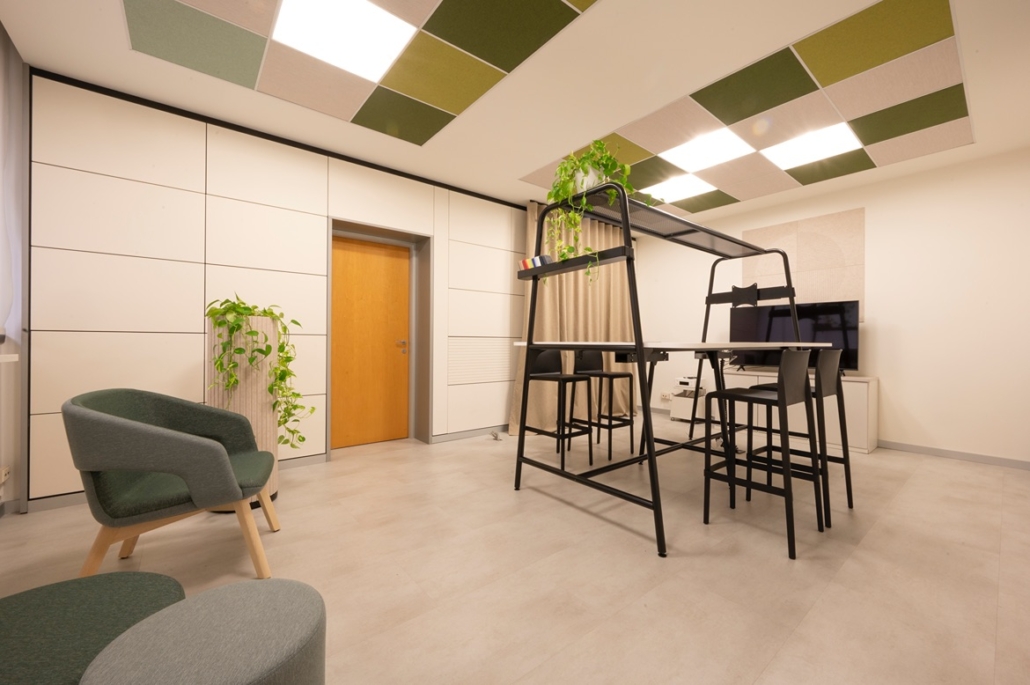
When choosing and positioning sound-absorbing panels in an indoor environment, several variables and details must be taken into consideration.
In this article, we’ll guide you step by step in selecting the right panels for your needs — starting from the available types and exploring the importance of proper placement to achieve optimal acoustic performance.
Differences between wall and ceiling sound-absorbing panels
Indoor sound-absorbing panels are generally divided into two main categories: wall-mounted panels and ceiling-mounted panels.
- Wall panels absorb sound waves directly on vertical surfaces, reducing reverberation and reflected noise. They are particularly suitable for rooms with parallel, reflective walls or where sound sources are located close to these surfaces.
- Ceiling panels, on the other hand, are useful for controlling reverberation in larger spaces — such as open-plan areas or rooms with highly reflective ceilings made of materials like reinforced concrete.
The choice between these two solutions, or a well-balanced mix of both, depends on the acoustic characteristics and intended use of the space.
Thanks to our expertise, we can help you select the sound-absorbing panels that best suit your environment and specific needs.
Decorative sound-absorbing panels: combining aesthetics and functionality
Beyond technical efficiency, decorative sound-absorbing panels offer an elegant way to improve acoustics without compromising style.
Thanks to customizable materials, colors, and shapes, these panels can easily blend into any interior design, becoming true decorative elements.
When choosing your panels, it’s important to consider not only performance but also the visual impact you want to achieve.
For a refined or striking look, you can opt for custom panels printed with artwork or photographs, or choose panels with unusual shapes that can be combined to create original and visually impressive compositions.
If, on the other hand, your goal is to reinforce your brand identity in an office environment, you can select printed panels featuring your logo or corporate colors.
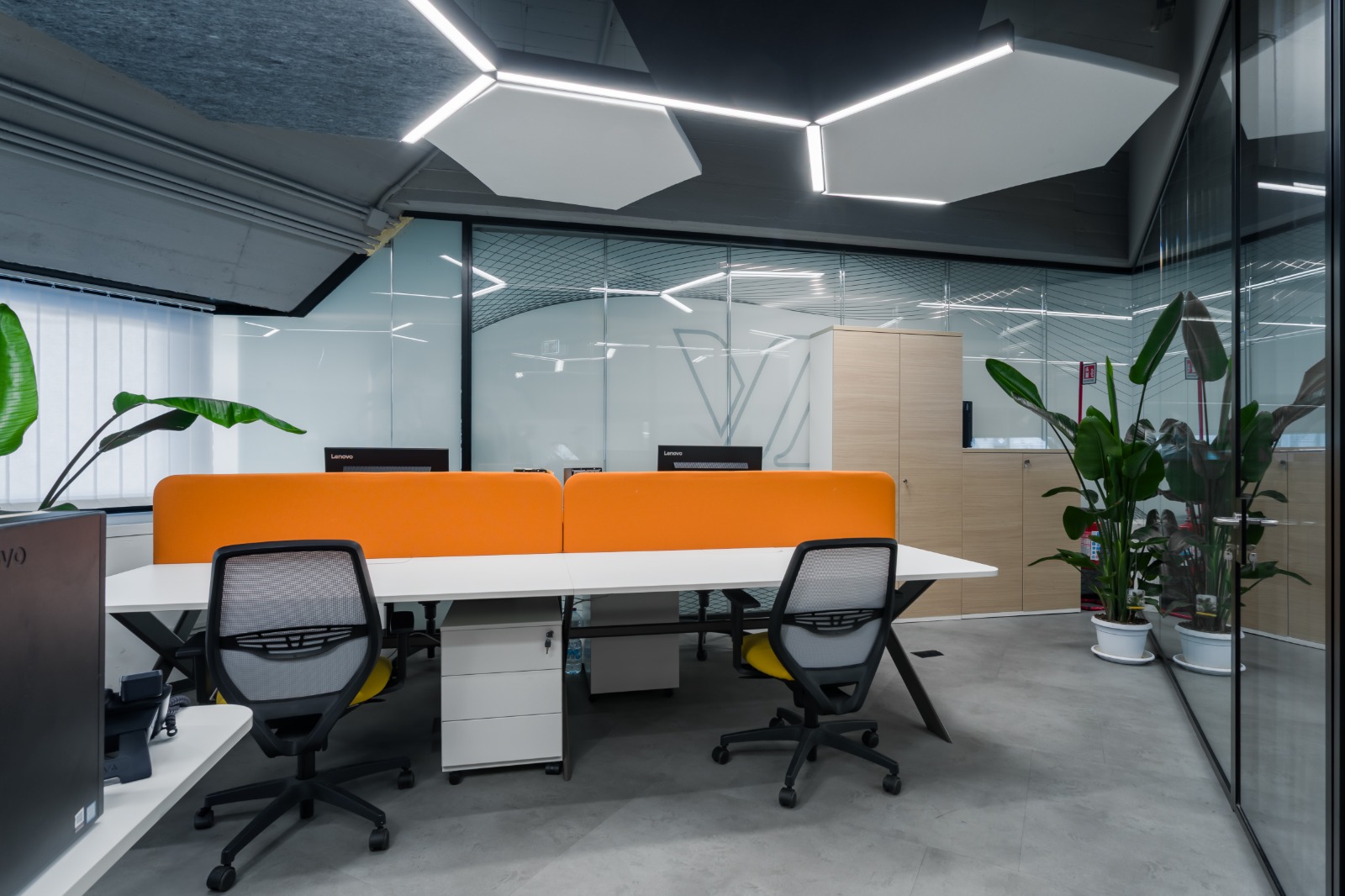
How and where to position sound-absorbing panels for best results
Knowing where and how to position sound-absorbing panels is crucial to maximize their benefits.
The effectiveness of acoustic panels can be significantly reduced by poor placement — even high-quality products may underperform without a proper evaluation of the room’s acoustic properties.
Improper installation, such as concentrating panels on a single wall or overlooking the most reflective surfaces, can result in residual echoes and uneven sound absorption. Similarly, placing panels too close together or too far from noise sources can weaken their ability to control sound waves.
To achieve maximum effect, it’s essential to carefully plan where and how to position panels, considering room geometry and desired acoustic results.
Here are some useful guidelines:
• Identify critical areas — surfaces made of rigid, smooth materials (glass, marble, concrete), corners where sound accumulates, and areas where direct sound flow could cause distractions (for example, two desks facing each other).
• Use the “mirror method” to locate first reflection points: simulate the sound path with a mirror and place panels where light (and thus sound) reflects toward the listening or working area.
• In open-plan offices, install panels close to workstations and noise sources such as printers or machinery. Ceiling panels are ideal for high ceilings where sound can freely propagate.
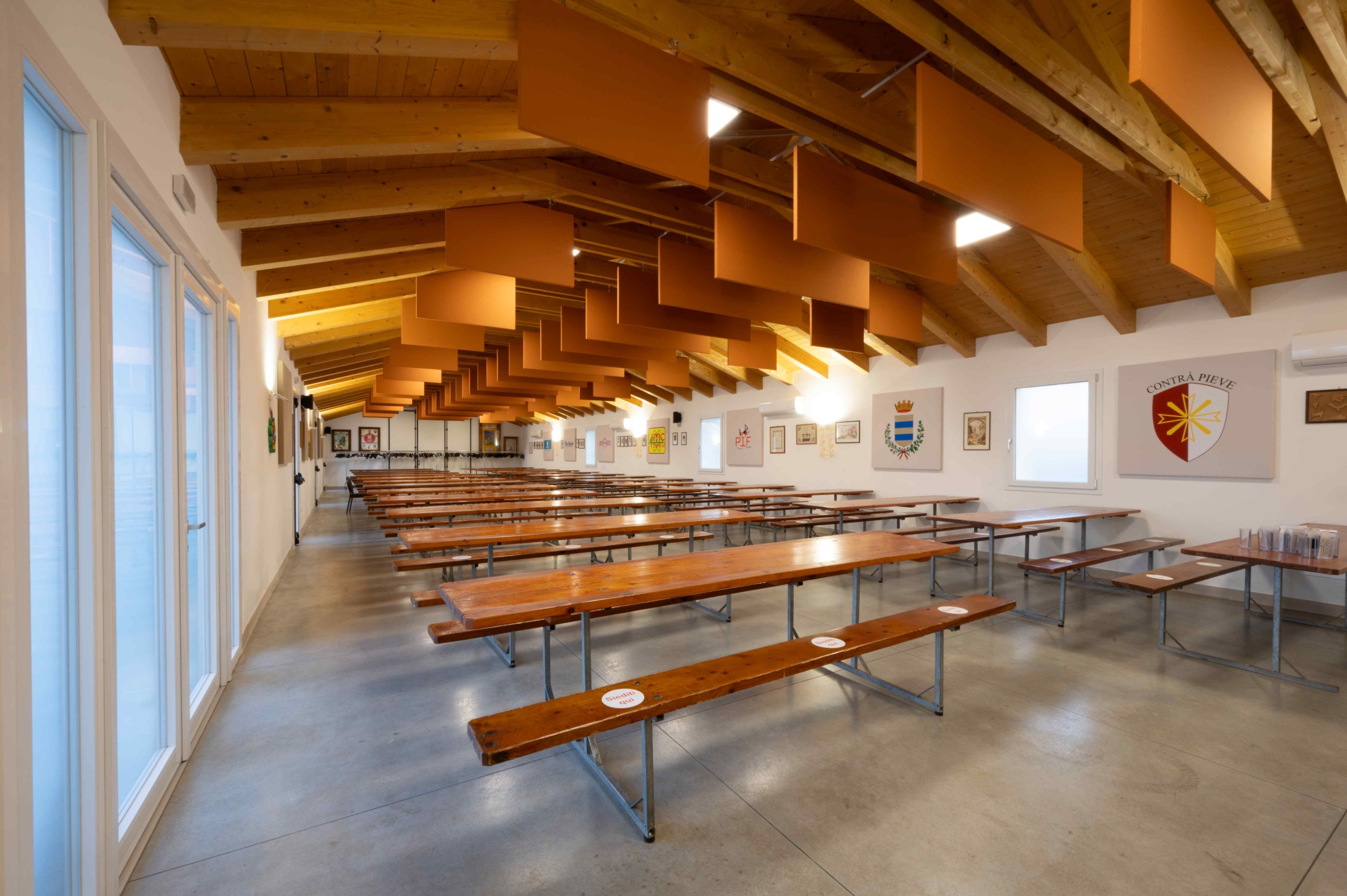
• Distribute panels evenly, focusing on the most reflective areas without clustering them too tightly to ensure balanced coverage across the room.
• Position panels at an angle of around 45° relative to the walls to interrupt reflected sound paths and reduce reverberation.
• Combine panels of different sizes and thicknesses, using thicker ones in critical zones and thinner ones in secondary areas to optimize absorption across various frequencies.
• For individual workstations, place panels behind the desk or around the listening area to reduce distractions.
• Finally, experiment with positioning — even small adjustments can significantly improve acoustic effectiveness.
Creating acoustically comfortable environments with sound-absorbing panels
A room equipped with well-chosen and strategically placed sound-absorbing panels offers a superior acoustic experience, promoting concentration and comfort.
Moreover, choosing customized panels that integrate perfectly with the environment also enhances the aesthetic value of the space.
Before making your choice, take time to analyze your needs, study the room layout, and define the style you want to achieve.
If you need assistance, our experts are at your disposal — contact us!